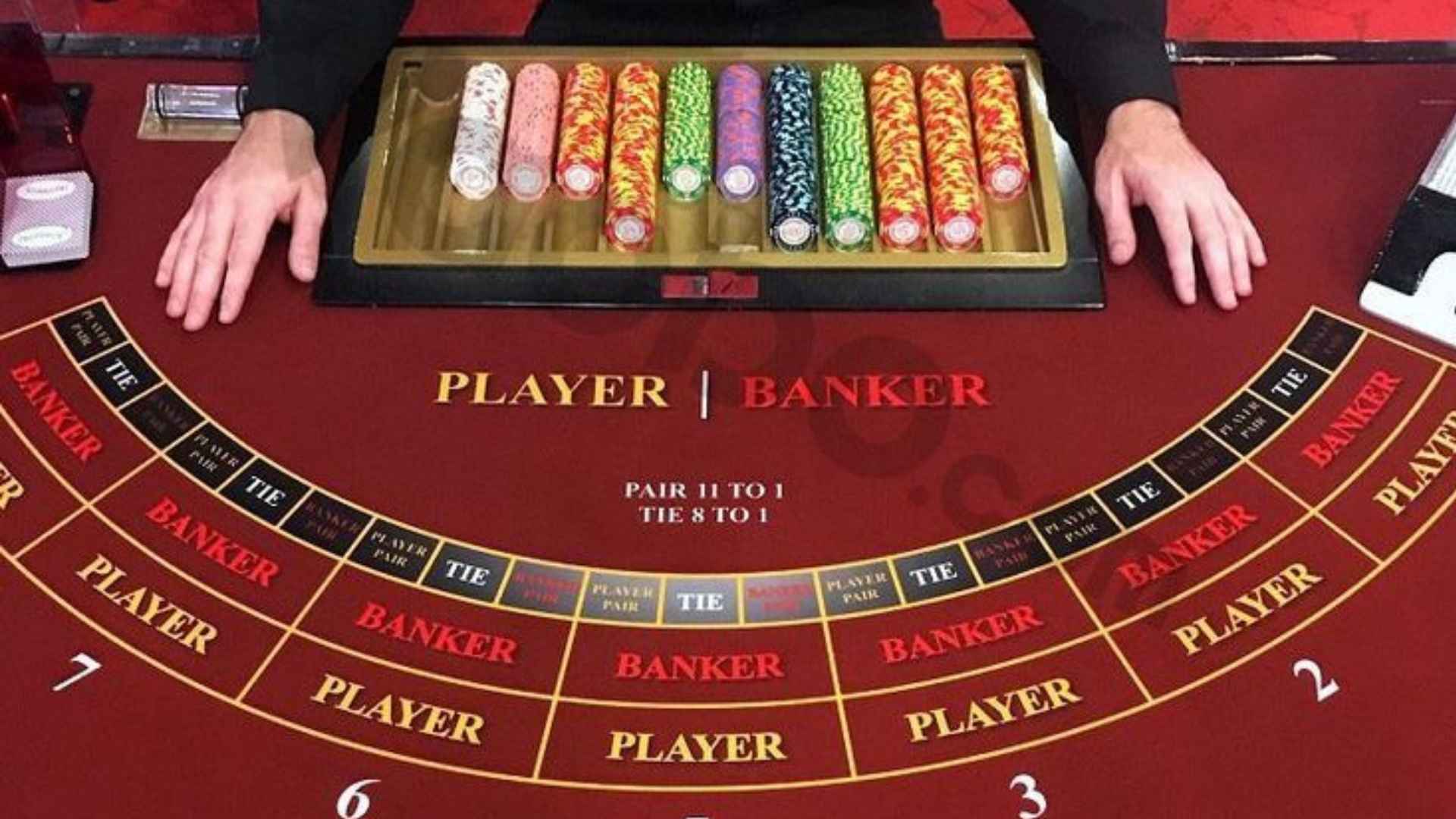
In competitive poker, chip stack size fundamentally alters a player's psychological state and strategic approach during critical hands. While managing a dwindling stack introduces an existential threat of elimination, wielding a massive stack presents the complex burden of risk management and table control. Understanding why short stack pressure feels completely different from big stack pressure helps players adapt their mindsets and make more calculated choices under stress.
The Immediate Survival Imperative of Short Stacks
When a player operates with a short stack, every single decision carries maximum consequences for their tournament life. The margin for error vanishes entirely, turning routine post-flop play into binary pre-flop choices. This creates an intense psychological strain where fear of elimination often conflicts with the necessity of taking calculated risks.
Short stack players must constantly monitor escalating blinds and calculate push-or-fold mathematical thresholds. Hesitation or missed opportunities gradually erode their remaining chips, forcing desperate moves with weaker holdings later. Consequently, short stack pressure feels urgent, immediate, and unforgiving compared to other table dynamics.
The Complex Responsibility of Managing a Big Stack
wielding a deep stack introduces a subtle type of psychological weight that many inexperienced players mismanage. Rather than facing immediate tournament elimination, big stacks must navigate the temptation of overcommitting chips in marginal scenarios. The primary challenge shifts from simple survival to protecting a dominant position while maximizing value.
Big stack players often feel pressured to dictate the action and dictate table dynamics through relentless aggression. However, reckless play can quickly bleed away a hard-earned chip lead to observant opponents. Maintaining discipline requires significant cognitive control to avoid giving away free chips through careless bluffs.
Differences in Decision Trees and Strategic Breadth
Short stack strategy relies heavily on mathematical simplicity, focusing primarily on pre-flop fold equity and direct pot odds. Players have limited room for maneuvering, which reduces post-flop multi-street bluffs or complex hand representations. This tactical narrowing can feel mentally exhausting because every action carries total commitment.
Many players refine their understanding of changing stack dynamics and tournament structures by analyzing strategic breakdowns on platforms such as m88 to sharpen their overall game awareness. Conversely, big stacks enjoy deep decision trees with multiple avenues to pressure opponents across three streets of betting. This strategic freedom offers immense leverage, but it requires continuous analytical focus to avoid misreading player ranges.
Managing Emotional Volatility Across Varying Stack Sizes
The emotional roller coaster experienced by short stacks is defined by sharp spikes of relief or disappointment. Doubling up provides an immediate wave of survival optimism, whereas losing a key coin flip results in instant elimination. Managing this emotional volatility requires severe mental resilience and an acceptance of short-term variance.
In contrast, big stack fatigue stems from sustained vigilance over extended periods. Losing a medium-sized pot rarely threatens immediate survival, but compounding small mistakes can quietly erode a chip lead. Mastering both mindsets enables disciplined players to execute optimal strategies regardless of their current stack size.