The transformation of standard spinning graphics into truly dynamic user interfaces has redefined modern web entertainment. While ancient fairground games relied on basic physical mechanics, online layouts require digital feedback loops to capture user interest. By blending advanced visual design, realistic timing, and layered participant feedback, software developers create immersive modules that make casual interfaces feel alive and uniquely responsive.
The Impact of Variable Deceleration and Physics
A key element that establishes authenticity in a digital layout is how the rotation mimics realistic kinetic motion. Standard sudden stops feel transactional and break player immersion instantly, while a gradual loss of speed creates psychological anticipation. By calculating variable deceleration patterns, creators build a gripping micro-moment where audiences focus intensely on the shifting boundary lines.
Furthermore, this deliberate pacing mirrors real-world physics, establishing deep cognitive trust between the user and the system. When a player watches the indicator slowly slide past high-value segments, the digital interface triggers genuine excitement. This technical execution shifts a basic random selection system into a memorable narrative arc that users want to repeat.
Dynamic Audio Visual Integration
Modern interactive tools achieve heightened engagement by utilizing high-definition animations alongside responsive sound design. Audio cues that shift in pitch and frequency as the wheel slows down give players a visceral sense of progression. These structured sensory loops ensure that every action feels meaningful, transforming a passive viewing sequence into an active journey.
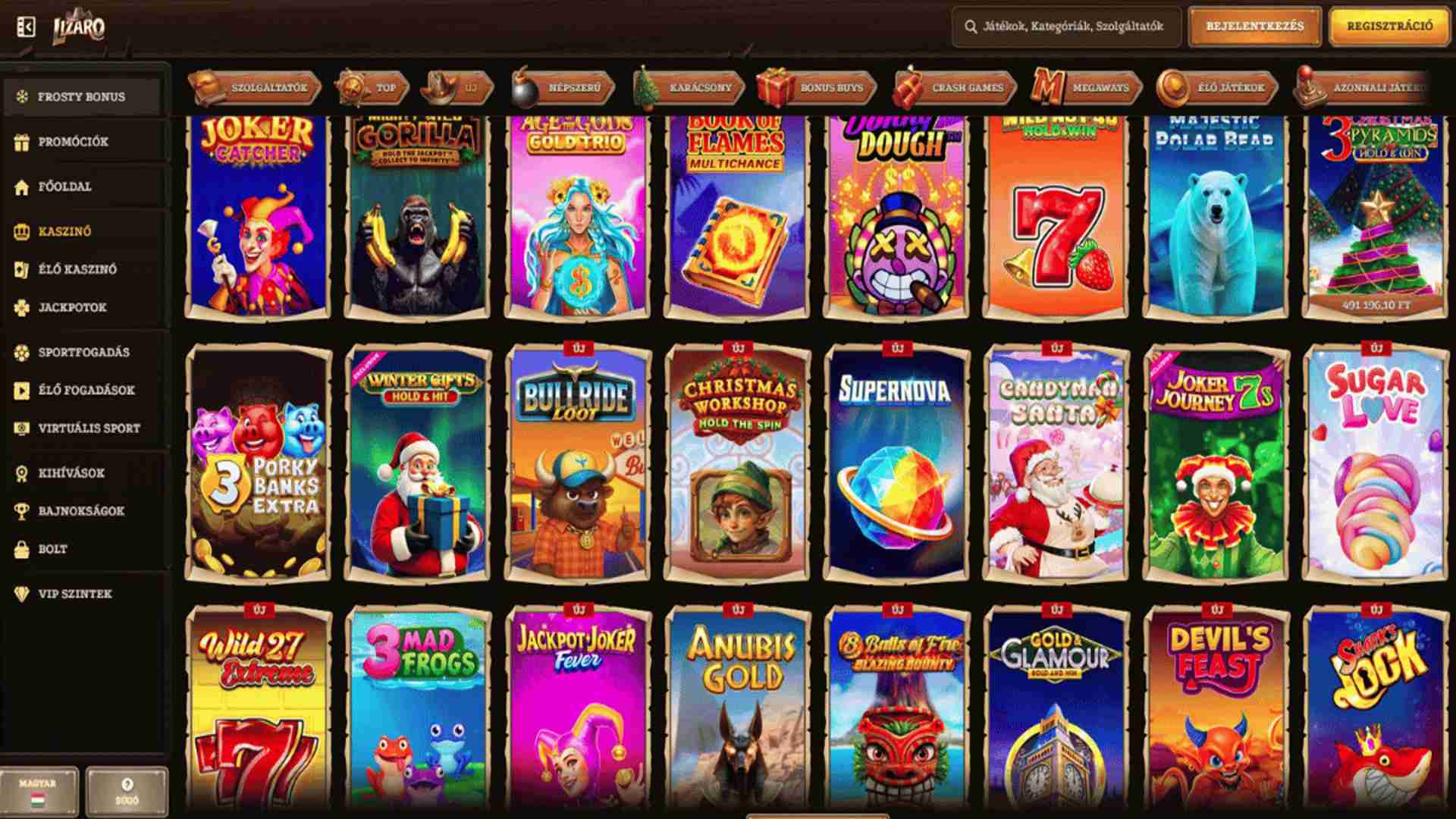
Many leading online platforms integrate these exact audio-visual enhancements to maintain a fresh and entertaining environment across their game collections. For example, popular online platforms feature advanced variations like the m88 slot framework, where thematic styling and real-time visual reactions maximize player immersion. This calculated attention to sensory detail ensures that modern digital designs remain profoundly attractive to diverse player demographics.
User Control and Tactical Choice Layers
True interactivity requires that the participant feels like an active agent rather than a distant observer. Allowing users to customize their entry options, pick specific reward themes, or choose the force of the spin introduces a layer of personalization. When individuals control the initial momentum or select the prize distribution framework, their emotional investment spikes naturally.
This design methodology successfully bridges the gap between structured algorithms and real-time choice. By providing multi-layered interaction systems, creative developers turn a repetitive mechanic into an open-ended exploration. As a result, players view each round as a personalized session tailored specifically to their active choices.
Future Trends in Immersive Interface Systems
The future of digital spinning mechanics points toward even greater immersion through emerging software innovations. Virtual reality and responsive haptic controllers will soon allow audiences to physically spin virtual wheels and feel the clicks through their fingertips. This mechanical progression will likely redefine consumer retention by shifting standard pointer clicks into tactile events.
Ultimately, the continuous growth of digital entertainment relies on balancing simple rules with sophisticated presentation tactics. By prioritizing transparent reward pacing and fluid graphic motion, modern developers ensure that classic concepts retain their timeless charm. These creative design choices ensure that the digital wheel remains an essential pillar of casual gaming ecosystems globally.