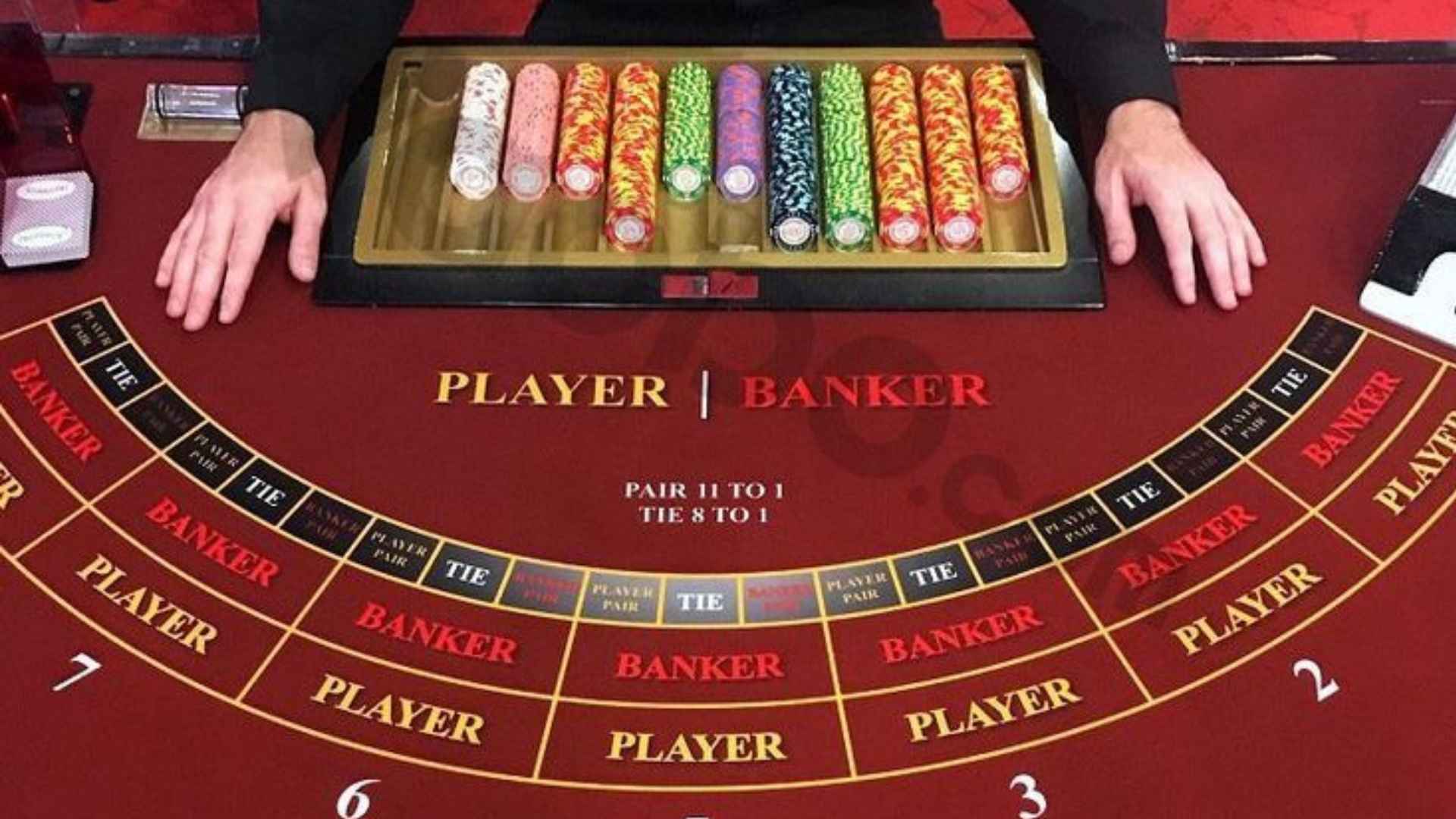
Traditional table games often follow rigid rules that have remained unchanged for centuries, leading many to view them as static card games. However, a deeper examination of traditional baccarat formats reveals a highly adaptive landscape shaped by regional preferences and subtle structural design variations. By looking past the automated surface, players can discover a rich history of tactical decision-making and community interaction that redefines how we understand this classic card game.
Rethinking Player Agency in Classical Formats
Many contemporary gaming enthusiasts assume that baccarat offers no real room for strategic choice or analytical engagement during active play. Historic French variations like Chemin de Fer challenge this perspective by giving participants direct control over key card distribution choices. In these traditional structures, players take turns managing the table bankroll and can decide whether to draw or stand based on psychological reads of their opponents.
This active layer of participation shifts the table environment from a passive observation of random chance into a dynamic arena of mental strategy. Players who look for this level of interaction can easily find digital adaptations by utilizing an official m88 login to access traditional setups. Evaluating these classic formats through the lens of human choice completely changes how newcomers perceive the tactical depth of the game.
Analyzing the Mathematical Rhythms of Regional Table Rules
The global expansion of casino entertainment has introduced unique structural alterations that impact the overall house edge and historical gameplay pacing. For example, standard Punto Banco functions as a highly formalized, casino-banked structure where card distribution relies entirely on automated third-card rules. This specific framework ensures absolute fairness and regulatory consistency, making it a reliable starting point for analytical study.
Conversely, alternative historical setups like Baccarat Banque introduce a much more permanent and competitive banking mechanism where the dealer position is determined by capital commitment. This architectural difference allows for extended gaming sessions where participants must manage long-term risk across multiple sides of the table simultaneously. Understanding these underlying mathematical models allows players to appreciate the delicate balance between structural risk and traditional entertainment value.
How Spatial Layouts and Speed Redefine Table Dynamics
The physical or digital framework of a baccarat table speaks volumes about the community interactions and social atmosphere intended by casino designers. Traditional large-scale configurations encourage a deliberate, formal pacing that honors historic gaming salon etiquette and allows participants to savor every point reveal. This leisurely environment emphasizes the shared psychological tension and collective experience of everyone seated around the felt.
On the other hand, the modern rise of streamlined alternative formats has successfully shifted focus toward maximum efficiency and lower entry barriers. Mini baccarat setups utilize compact physical arrangements and eliminate complex card-handling ceremonies to complete rounds in a fraction of the usual time. This fast-paced rhythm accommodates contemporary lifestyles while still preserving the foundational mathematical core that defines traditional gaming traditions.